Essen
Somewhere in the vastness of the universe, a small planet with the name of "Essen" is floating around. It is so called because it was discovered in September 2003 at the Walter-Hohmann Observatory. A non-profit association operates the latter as a Volkssternwarte (People's Observatory) in the district Werden/Kettwig/Bredeney. Perhaps the asteroid is actually a symbol for the efforts of a city to set new accents. "The former centre of German heavy industry [...] has developed into a modern city with various scientific and cultural activities," is how the proposal for the name was justified at the time.
After all, Essen was elected cultural capital in 2010, representing the entire Ruhr area. In the city (admittedly, including the Duisburgers at the University of Duisburg-Essen) about 45.000 students are enrolled, 1.500 alone at the renowned Folkwang University. Furthermore: if you google "Probleme Essen" you get pages on the topic of nutrition, not the city.
Wolfgang Kienast

Volker Belghaus
Geboren wurde der freie Journalist, Redakteur und Autor Volker K. Belghaus in den wilden 70ern im weniger wilden Wuppertal. Heute lebt und arbeitet er in Essen. Vier Jahre lang betreute er das Magazin, in dem diese ...
Read more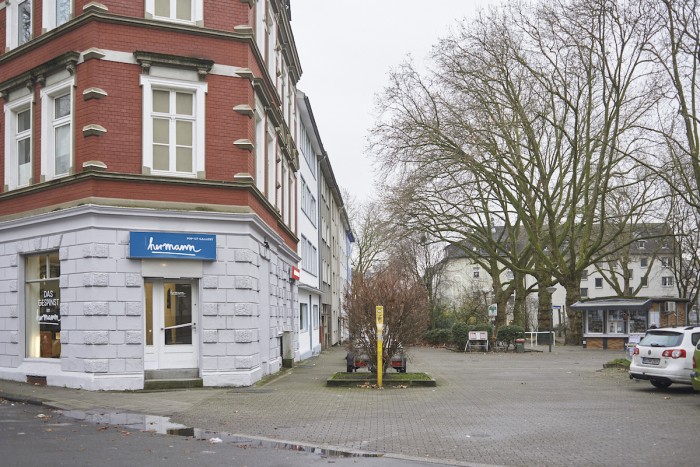
Das Gespinst im Hermann
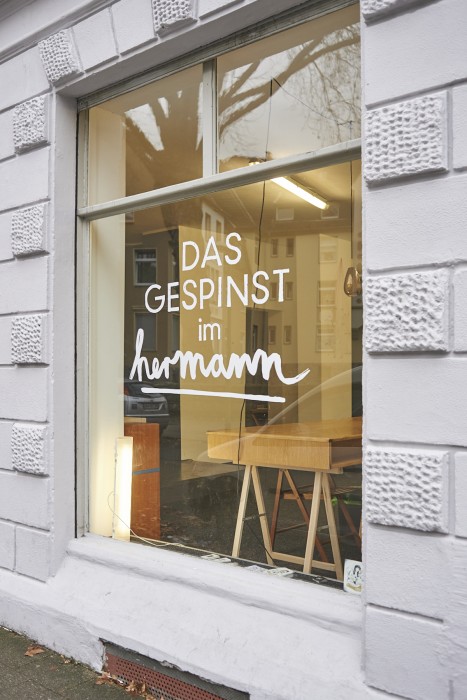
The Gespinst in Hermann has moved: as of the end of October, the doors of the new studio space are now open at Waterloostrasse 30 in Essen. The Gespinst is "a virtual and a physical space, a magazine, an interface where something happens” according to the operators Judith, Jonathan and Maren. The opening ceremony also marked the go-ahead for the launch of new exhibitions and workshops. In order to keep the place lively even after the move, much has already been planned for 2017: In February, Johannes Winkler will hold a lecture on a "drum language" from South India, Konakol, and also offer a workshop on the subject. On February 25th, the jazz musician Florian Walter will be performing a concert with his band, and in March, the artist Benjamin Gages will hole up for a week in the Gespinst and then reveal what he was up to.
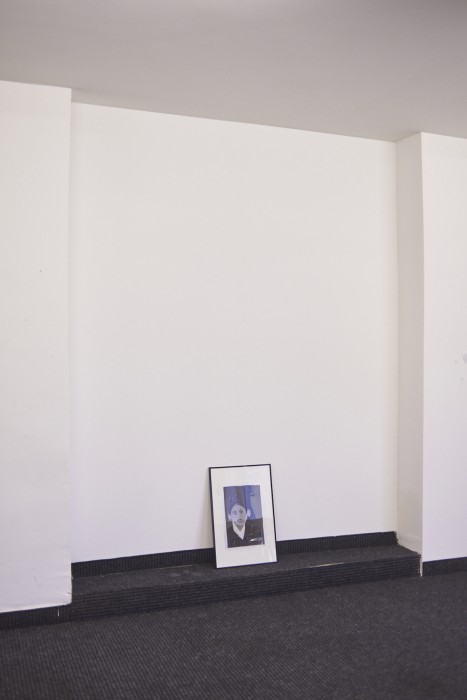
A studio can be so much, the Gespinst in Hermann is, as the makers quoted the philosopher Gilles Deleuze on their homepage, a place "where there is nothing to explain, nothing to understand, nothing to interpret. It’s like an electrical connection." Otherwise a Gespinst as such is a spider web, but not the classic version as we know it. Much more, it resembles a woven construct, which serves primarily to catch prey. Here in the Gespinst, books wander through the studio and tell their stories, illustrations take the space captive, and magazines come alive - all of this draws the visitors and the artists into its spell, catches and wraps them up. According to Deleuze, nothing is to be interpreted, but the Gespinst leaves lots of room for exciting ideas. In the end, the Gespinst is a place where everyone finds a niche. A place whose floor, embellished with grey carpet, white and grey painted walls, and adorned with corners, curves and edges, is enlivened and energised as only it can be through visitors, exhibitors, readers, artists and makers.
Text: Sandra Redegeld
Fotos: Das Gespinst
Waterloostraße 3
45141
http://www.dasgespinst.de/

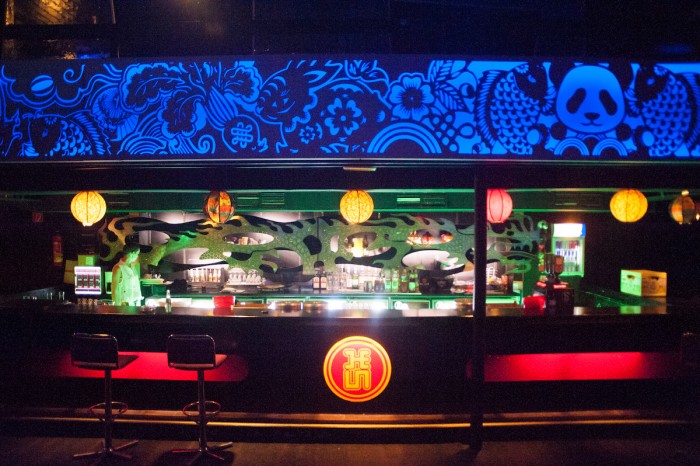
Hotel Shanghai
An oversized, pink Sphynx cat - along with the large eyes of various other animals - peer out from a dark forest upon guests at this locale, considered one of the best underground clubs in Germany’s Ruhrgebiet region. Written in white letters on a black sign, the name Hotel Shanghai stands above the garage door, which bears the club’s orange logo applied by a graffiti/airbrush artist from Amsterdam to round out his work on colourful exterior facade.
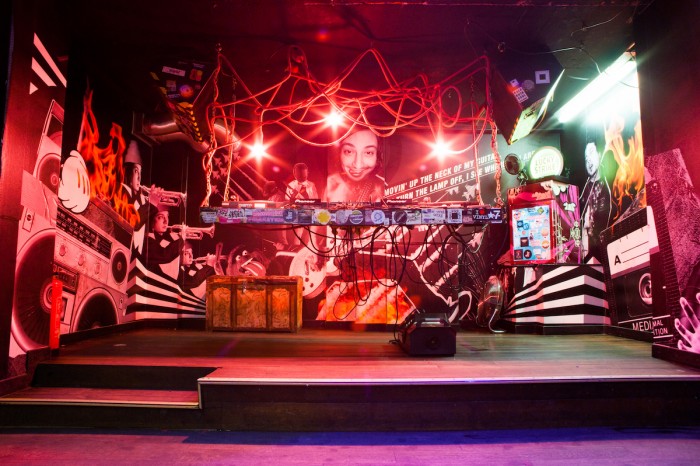
For thirteen years Kay Löber, better known as Kay Shanghai, has organised his glittering and lavish parties in the former rock bar called Kalei, located at Steeler Straße 33. The easy-going, alternative crowd of all ages dances to different party hits with a broad musical range between techno and trash. Along with underground acts, prominent artists like Ellen Allien and DJ Koze share the DJ station, which hangs by steel chains from the ceiling. Concerts featuring diverse musical genres also take place regularly.
The artists stand at the same level with the party people, who gyrate face to face with the music or chill out in one of the red leatherette booths in the upper area. A small stairwell, where the club’s logo is bordered by pandas staring ferociously from the black wallpaper, leads below. That’s where architects Ben and Daniel Dratz of Oberhausen expanded the club four year ago by renovating a former underground parking entrance. Black stairs lead to the bar downstairs and outside to the smoking area, while the yellow letters HOTEL radiate colour from the room’s concrete wall.
Up above is the realm of colourful graphics from the communications design agency V2A, who also designed the club’s website - black walls with trumpets or Mickey Mouse hands carrying an old ghettoblaster. An LED collage with chopsticks, panda bears and antlers from a well-known spirits maker illuminates the path from the entrance to the dance floor. There, the masses party into the morning hours under hundreds of origami cranes hovering below the ceiling.
Open primarily on Fridays and Saturdays starting at 11pm. The line-up as well as concerts and special events can be found on the website’s calendar of events.
Text: Natalie Waschk
Fotos: Lukas Vogt
Steeler Str. 33
45127
http://www.hotelshanghai.de
Museum Folkwang
Museum Folkwang, initially founded in Hagen in 1902 by Karl Ernst Osthaus, is the first museum of contemporary art in Europe.
The museum’s name stems from Old Norse mythology. Folkvangar, meaning the people’s hall, is the palace of the goddess Freya in Versepo’s Edda. Osthaus wanted to make art and cultural education accessible to everyone “in an effort to improve public taste.” With the inheritance from his grandfather, he founded one of Europe’s first museums to highlight modern art. In 1921 the citizens of Essen, who founded the Folkwang Museum Association, acquired the collection from the recently deceased Osthaus. It was then combined with the existing City Art Museum in 1922 to become today’s Museum Folkwang.
The museum showcases extensive collections of German and French paintings from the 19th century and classic modern, along with post-WWII art. Consisting of over 60,000 photographs, the Photographic Collection, which was founded in 1978, has become one of the Europe’s premiere. The German Poster Museum in the Museum Folkwang contains more than 350,000 posters from the domains of politics, economics and culture, making it one of the world’s largest collections. In addition to the permanent displays, the museum today focuses primarily on contemporary art in its revolving exhibits.
The historic museum building, a protected monument, was expanded in 2010 with a glass addition by English architect David Chipperfield. The interior, which is illuminated primarily by daylight, provides space for special exhibits, a study and lecture hall, as well as the Vincent & Paul cafe and restaurant and the Walther König bookstore. Glass facades, courtyards and a large flight of stairs at the building’s front bid welcome to residents and visitors - in the spirit of Osthaus’ philosophy.
He would be very pleased to know that for five years beginning June 2015, there is no entry fee for the museum’s permanent displays thanks to contributions from the Alfried Krupp von Bohlen und Halbach Foundation.
EXHIBITIONS 2017:
MARIA LASSNIG
- März – 21. Mai 2017
GERHARD RICHTER
Die Editionen.
- April – 30. Juli 2017
SAN FRANCISCO 1967
Plakate im
Summer of Love
- Juni – 3. September 2017
Text: Natalie Waschk
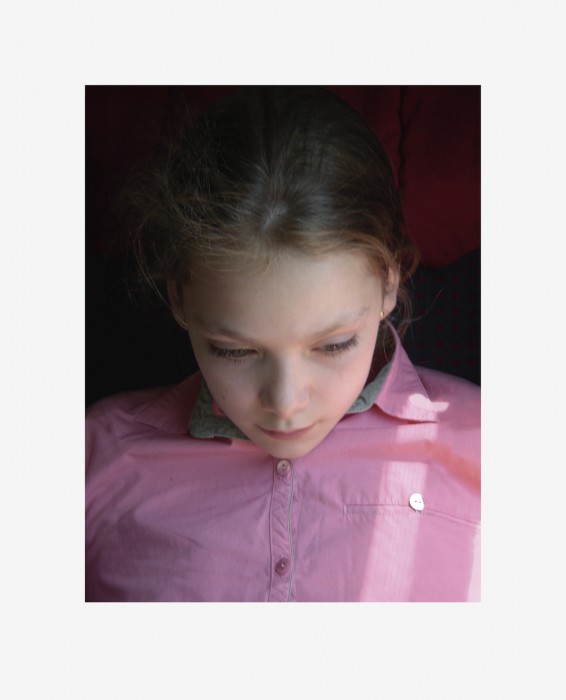
Foto zeigt: Gerhard Richter
Ella, 2014
Digital Fine Art-Druck auf Papier, 54,5 x 44 cm
© Gerhard Richter, 2016
Museumsplatz 1
45128
http://www.museum-folkwang.de
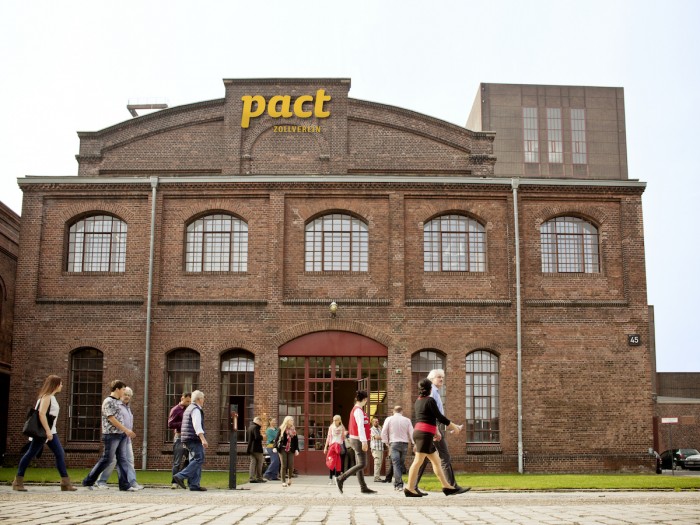
Pact Zollverein
The former pithead bath is primarily an artist's house for performative art. Artists from all over the world participate in the residence programme: the heart of this research centre and stage for dance, performance, theatre, media and fine arts. Each year, 30 artists, artist groups, academics and students from different disciplines rehearse and produce their projects here, interlacing in spiritual and physical dances of their own styles and methods, making this centre unique in Europe. Pieces by young artists alternate with those of well-known artists. The pithead bath can manifest itself as a theatre, a cinema, a seminar room or night bar, a gallery or open-air-stage, a concert hall or a fairytale house - but is always a vibrant cultural site.
Text: Christian Caravante
Foto: Robin Junicke
Bullmannaue 20a
45327
http://www.pact-zollverein.de/

Ruhrmuseum
The escalator alone is worth the visit: glowing orange, it leads up to a height of 24 meters, straight into the former coal-washing plant of the colliery. Once arrived at the top, visitors walk down through the building, following the old production process, along shut down machines, bridges overarching shafts, pipes, chutes and conveyor belts. A new building would never have had the same power to convey the history of the Ruhr area, as this conversion by Rem Koolhaas and Heinrich Böll. The permanent exhibition in the largest building of the UNESCO World Heritage Site Zollverein, mixes natural history with cultural history, conveying the myths and the facts about the Ruhr area via archeology, photography, paintings, film and interactive objects.
Text: Christian Caravante
Foto: Matthias Duschner/Stiftung Zollverein
Gelsenkirchener Straße 181
Gelsenkirchener Straße 181
https://www.ruhrmuseum.de


Zeche Zollverein
This place brings together that which goes together: the UNESCO World heritage site Zeche Zollverein and Design Centre North Rhine-Westphalia. Both were born out of industry, both once followed another purpose, and both are now known throughout the world. Zeche Zollverein has long been a functionally streamlined, gigantic manufacturing complex for coal mining - active until 1986. The Design Centre was initially founded in the 1950s as the "Association for Industrial Form". In those days, German export was plagued by economic miracles elsewhere, and the American industry was far ahead in the field of design. Today, Zeche Zollverein and Design Centre North Rhine-Westphalia (as it has been called since 1990) both stand for history as well as future, and above all, for beauty. No question, the Zollverein buildings by star architects such as Rem Kolhaas, architect office SANAA and Sir Norman Foster, are definitely impressive. But a power of its own, an elegance even, is to be found in the conveyor-tower, the coal-washing and coking plant, the kilometres of pipes, the red brick buildings, and the -now- silent machines. A different formal language, of the same functionality and elegance, is to be encountered in the "red dot design museum", the most interactive part of the Design Centre. This is where over 4000 square metres house an exhibition of more than 1000 exhibits of outstanding design products, from eccentric USB sticks to light installations. Thus housing the world's largest exhibition of contemporary design, Design Centre North Rhine-Westfalia also has two branches in Asia, and each year, it awards a prestigious prize. The contrast between the picturesque rusty industrial architecture outside, and the futuristic design inside, is sure to impress anyone who visits.
Text: Christian Caravante
Fotos: Designzentrum NRW